I'm loving some of the descriptions of internal complexity in How Buildings Learn, like this one from Brian Eno:
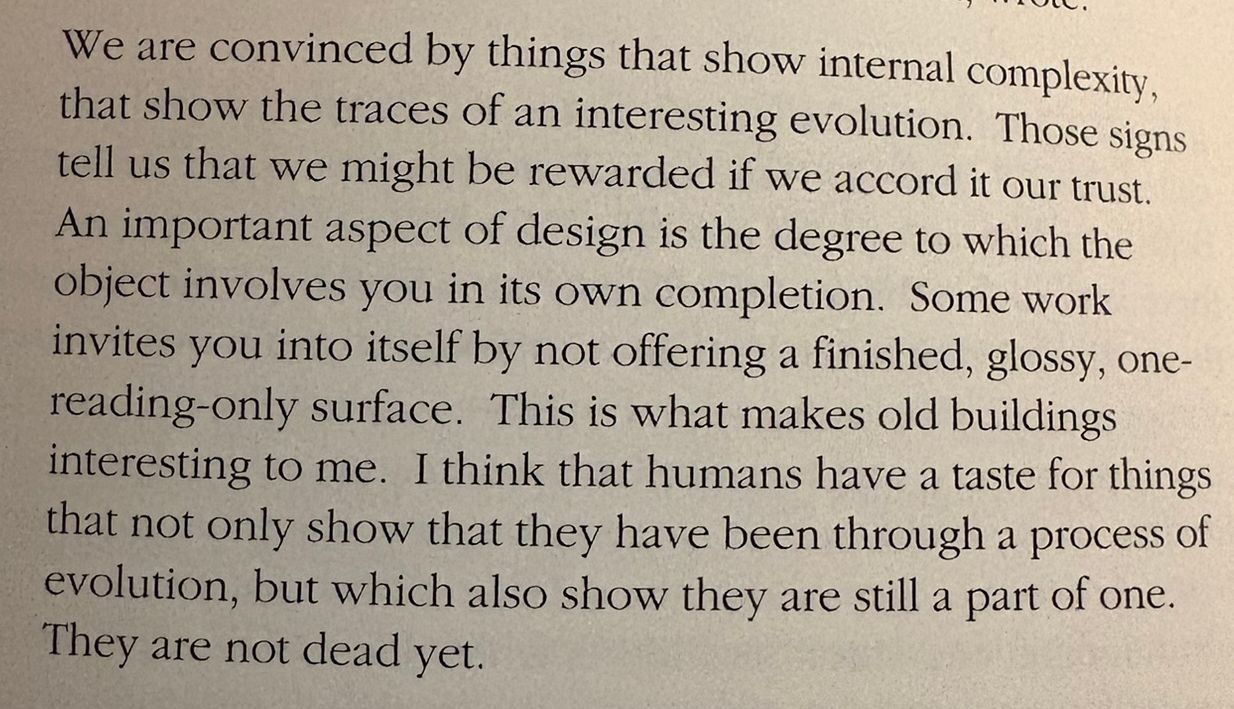
That complexity builds out of shearing layers. It's a result of different timescales at work.
I'm loving some of the descriptions of internal complexity in How Buildings Learn, like this one from Brian Eno:
That complexity builds out of shearing layers. It's a result of different timescales at work.
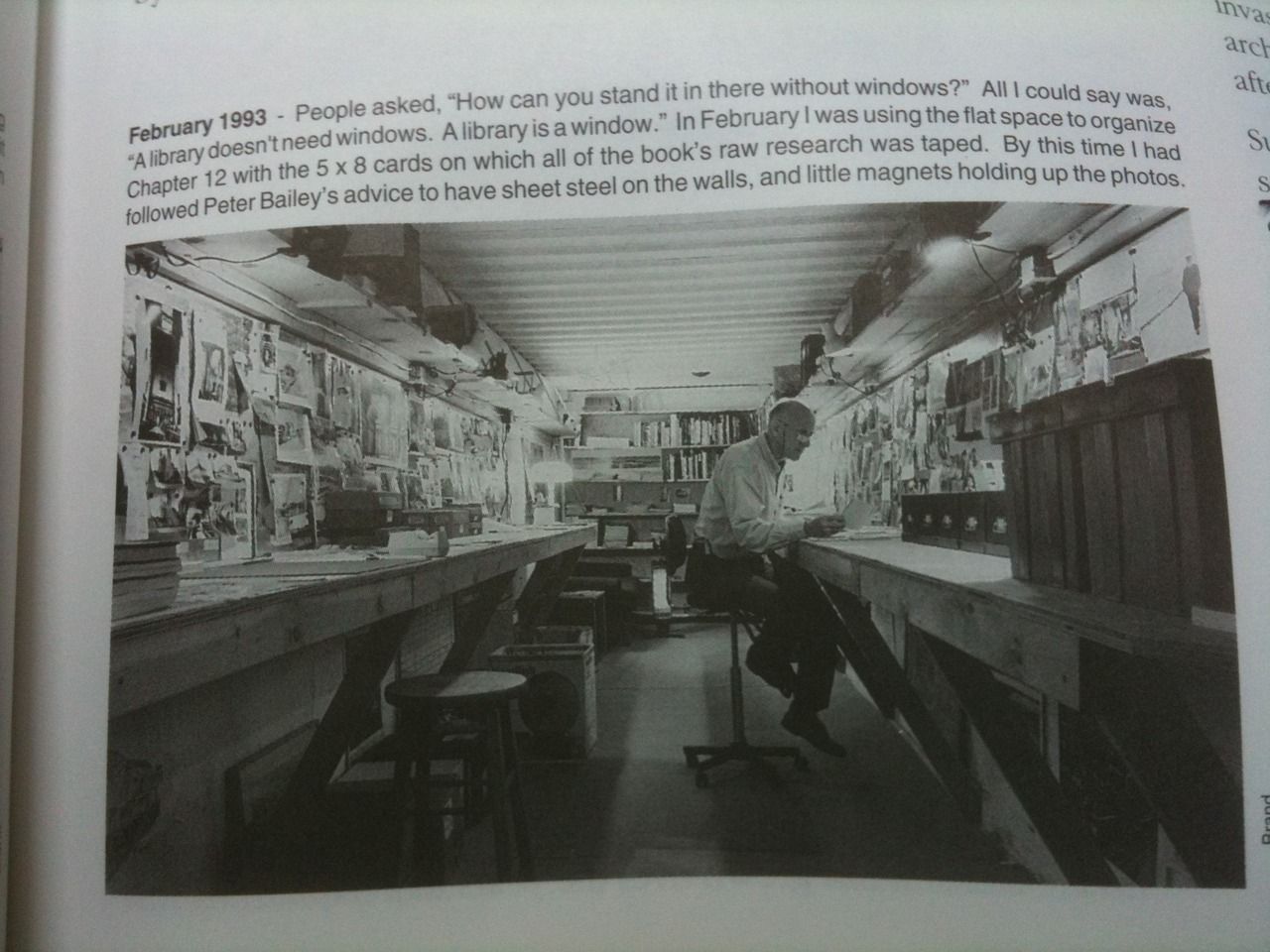 Stewart Brand in his shipping container
Working on the digital tabletop got me thinking back to Stewart Brand talking about how he constructed How Buildings Learn:
...the most important tool for organizing projects is lots of horizontal space and immediate-to-hand storage…
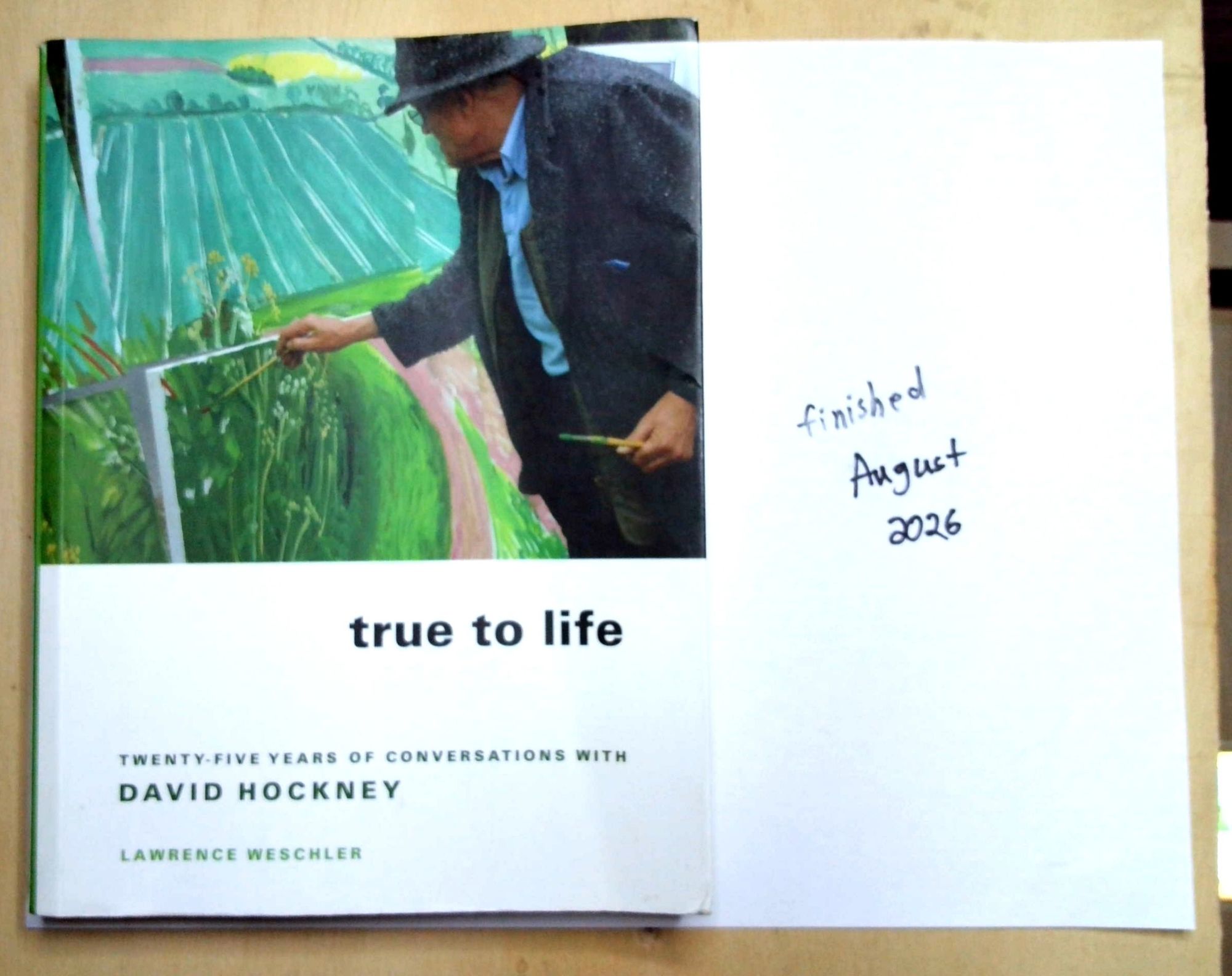 by Lawrence Weschler
Cristóbal recommended this when I was working on my image sampler project. I read and loved the chapters on Hockney's camera works and then at some point set it down. In the meantime I read Weschler's Robert Irwin book and have never really stopped thinking about it. I got a paper copy and went through the whole thing.
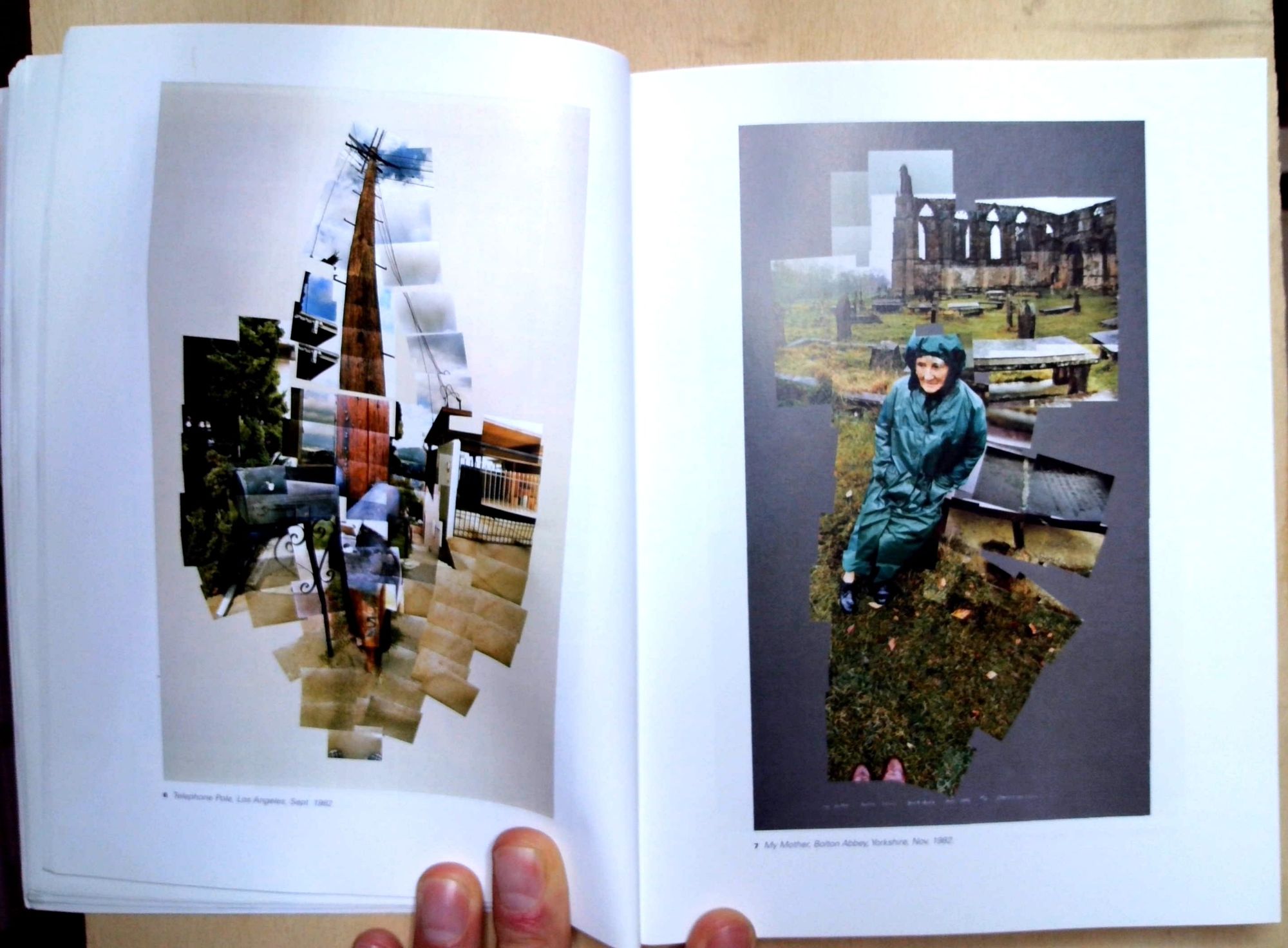 Hockney's photo collages
I like Andy Matuschak's use of the word "physics" to describe a set of rules in software tn his talk on the possibilities LLMs open up for programming. Two examples:
CodeMirror defines a rough physics of the medium: basic models for text, state, and selection, with transactional updates.
So, by way of generalizing from CodeMirror: could we define a physics of reading environments—one which could simultaneously support all these disparate augmented reading ideas, plus untold more yet to be invented?
David Hockney talking about the difference between photography and painting:
...the reason you can’t look at a photograph for a long time is because there’s virtually no time in it - the imbalance between the two experiences, the first and second lookings, is too extreme.
I think you could poke holes in this, but I like the model:
New on Constraint Systems:
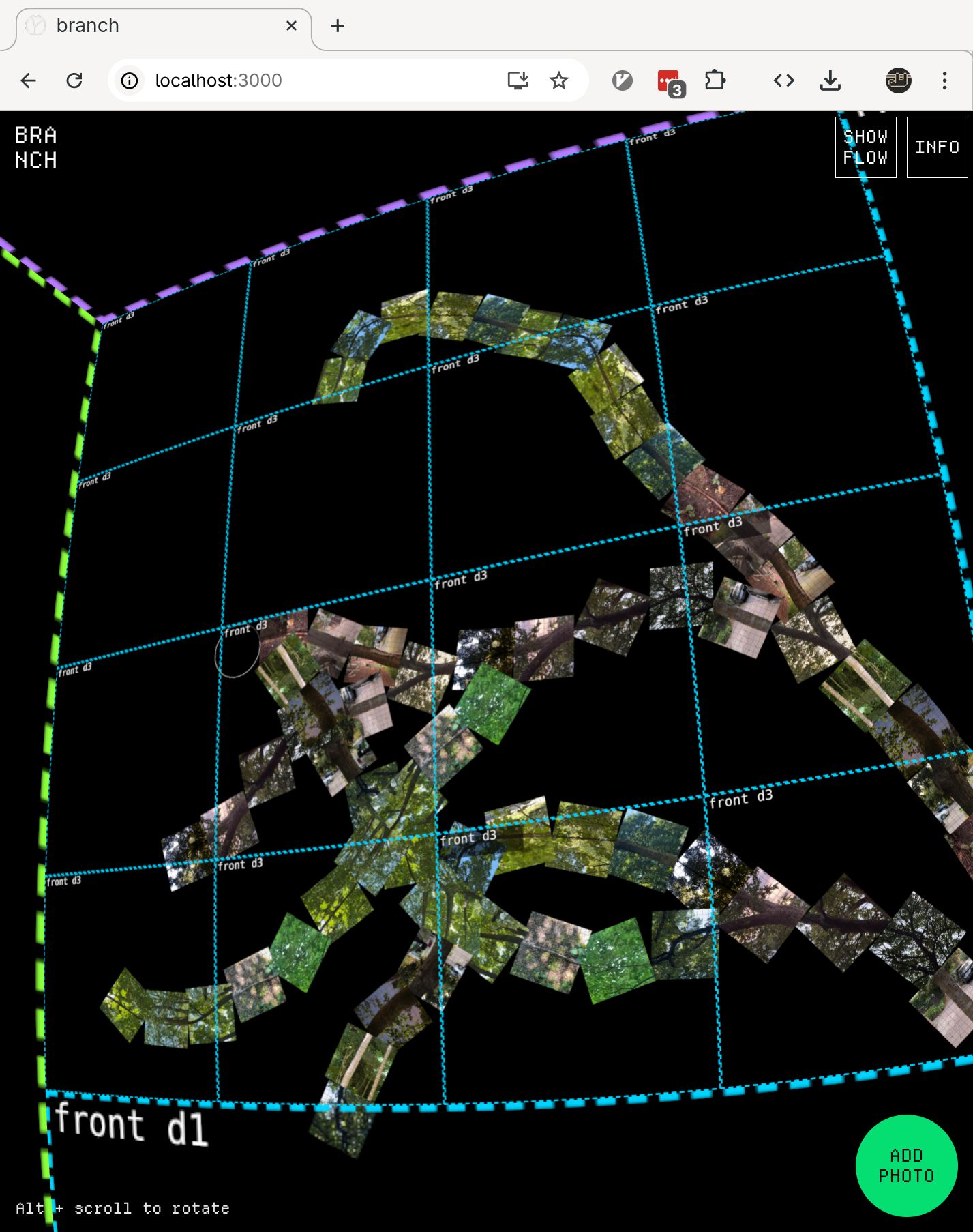
Branch - a collaborative collage of tree and branch photos. Take a photo and trace the flow to add to a branch.
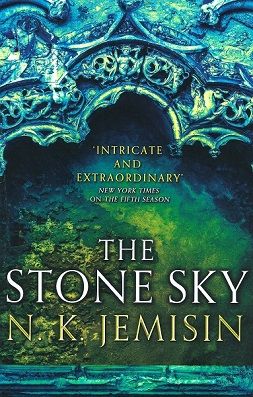 by N.K. Jemisin
I moved a little slower through this one, mostly because I found a lot of the Nassun chapters tough (not in a bad way, just in an "I'm nervous for her" way).
There was a lot of lore to get through and resolve since it's the conclusion. Sometimes it felt like it was speeding through things, but by the end I was really happy with the full picture. Most of my questions were answered. it's still very small slices/vignettes from a much larger history. There's a world where I would have been interested to read more chapters from more perspectives, including more slice-of-life stuff, but that's also a different book.
Today I started in on blog revamp. Partly because I wanted to experiment with Matt Pocock's LLM skill workflow in a relatively conventional app (not a weird Constraint Systems experiment). Also because I've been feeling the edges of my current setup. Overall I'm thinking about how I want my software and computer to work in a world where LLMs make adding features/cheap.
In the wave of LLM-assisted demos I think a lot about surface area. Adding features adds surface area. Particularly when the features are just kind of additional nice-to-haves. It can feel different if the features grow out of the center of the idea. That's like a tree growing out of a core. A bunch of ad-hoc features is a loosely connected collection of graphs, floating and tangling up into eachother.
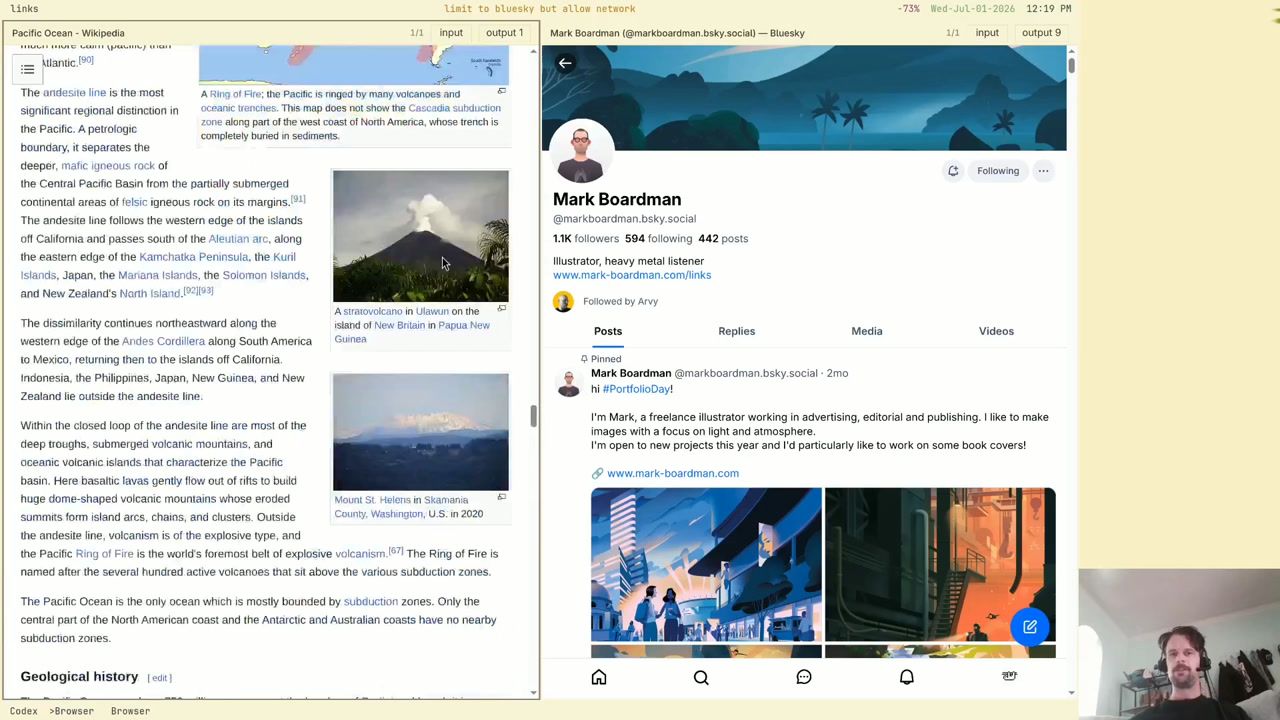
Experimenting with mini-browsers limited to specific urls or domains. Clicking on external links saves them to a list (that possibly you then feed into a different mini browser?). Recorded some thoughts on youtube.
Thinking about making a browser feel more like a place (thinking of Interface Studies' video). Also thinking of the satisfaction and clarity of plugging a cartridge/disk into a system.
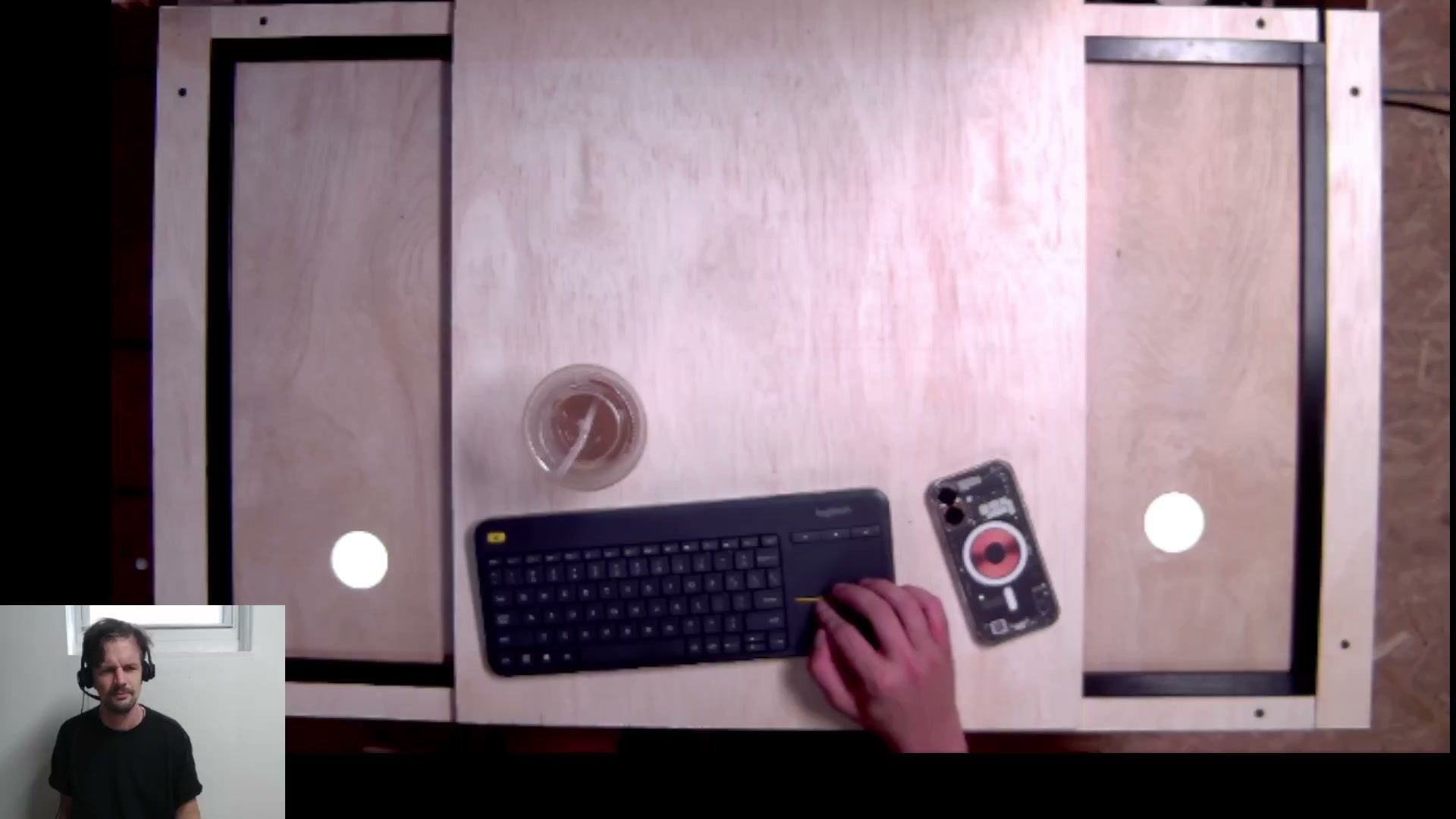
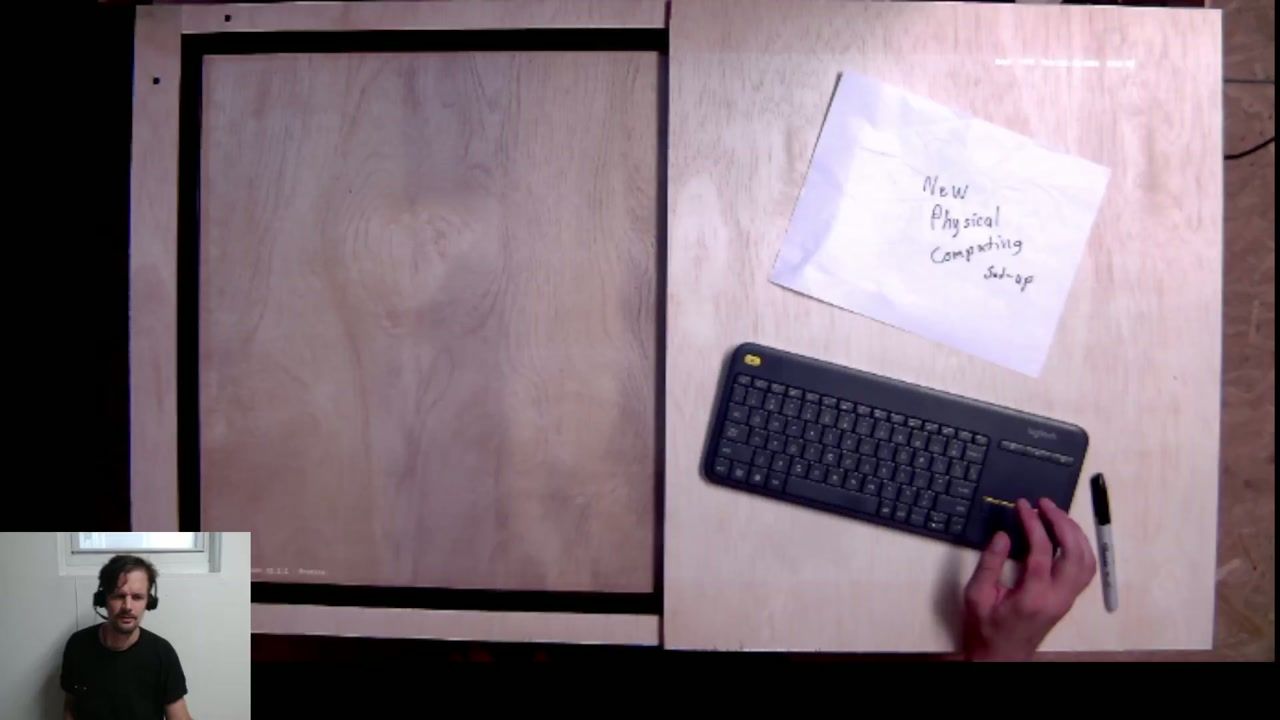
Put together a prototype writerdeck with the modos dev kit. Direct sunlight does work. It's a bit bulky and I should probably use one of my minimal low-profile keyboards, but I do love typing on the kinesis the most. In some other world I'd cut up and mod the kinesis body directly.
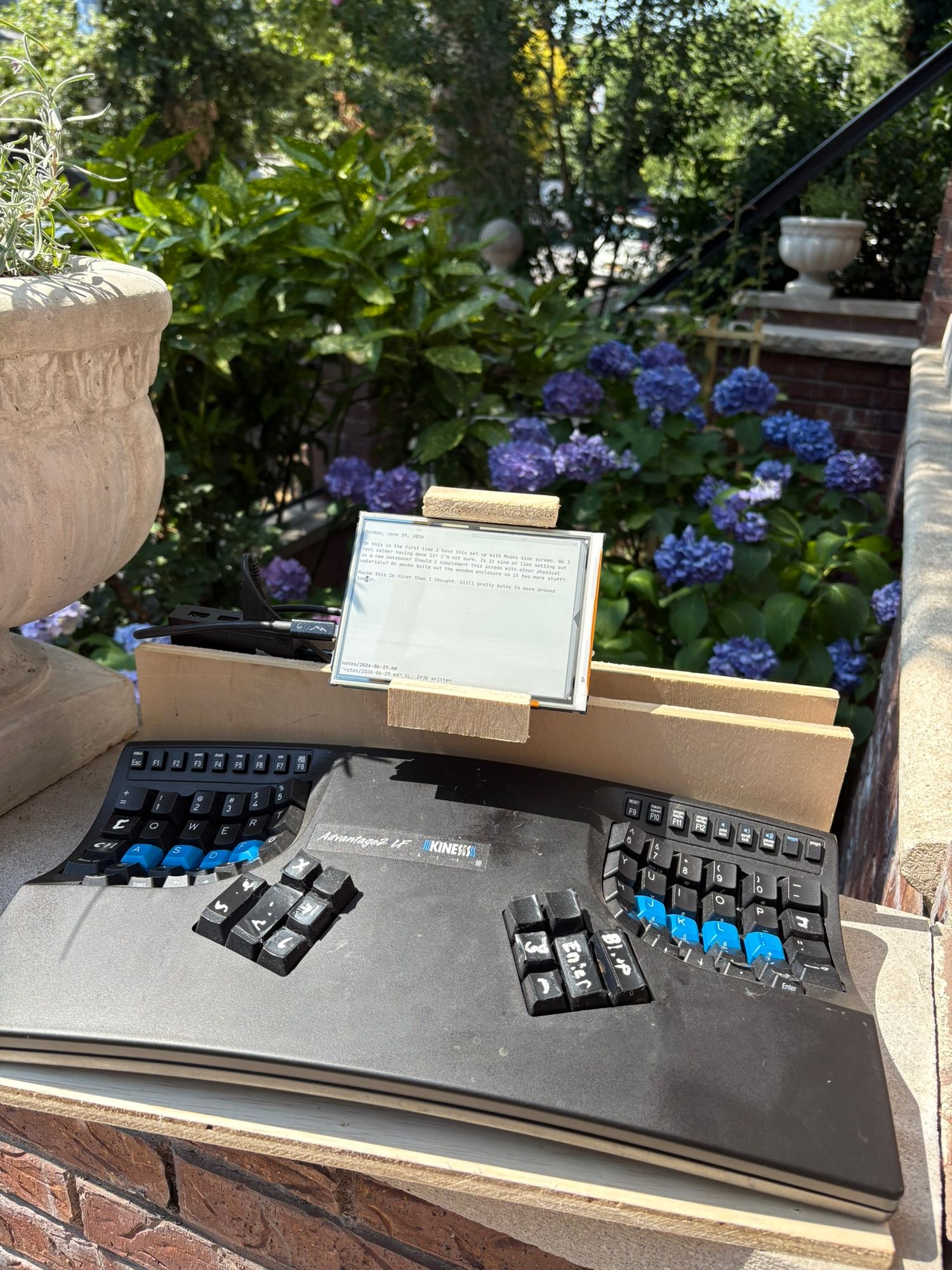 The currrent prototype.
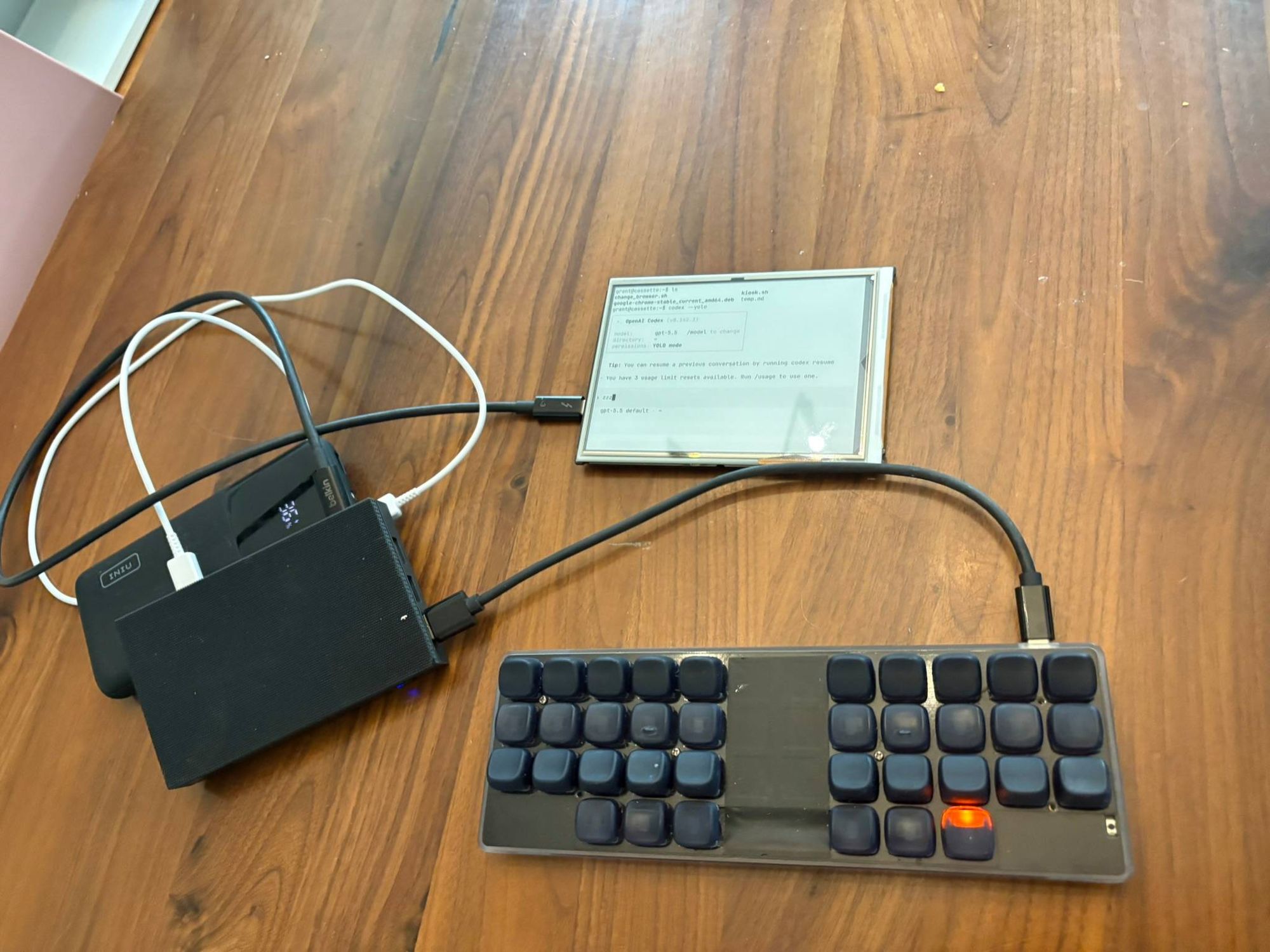 The pieces laid out.
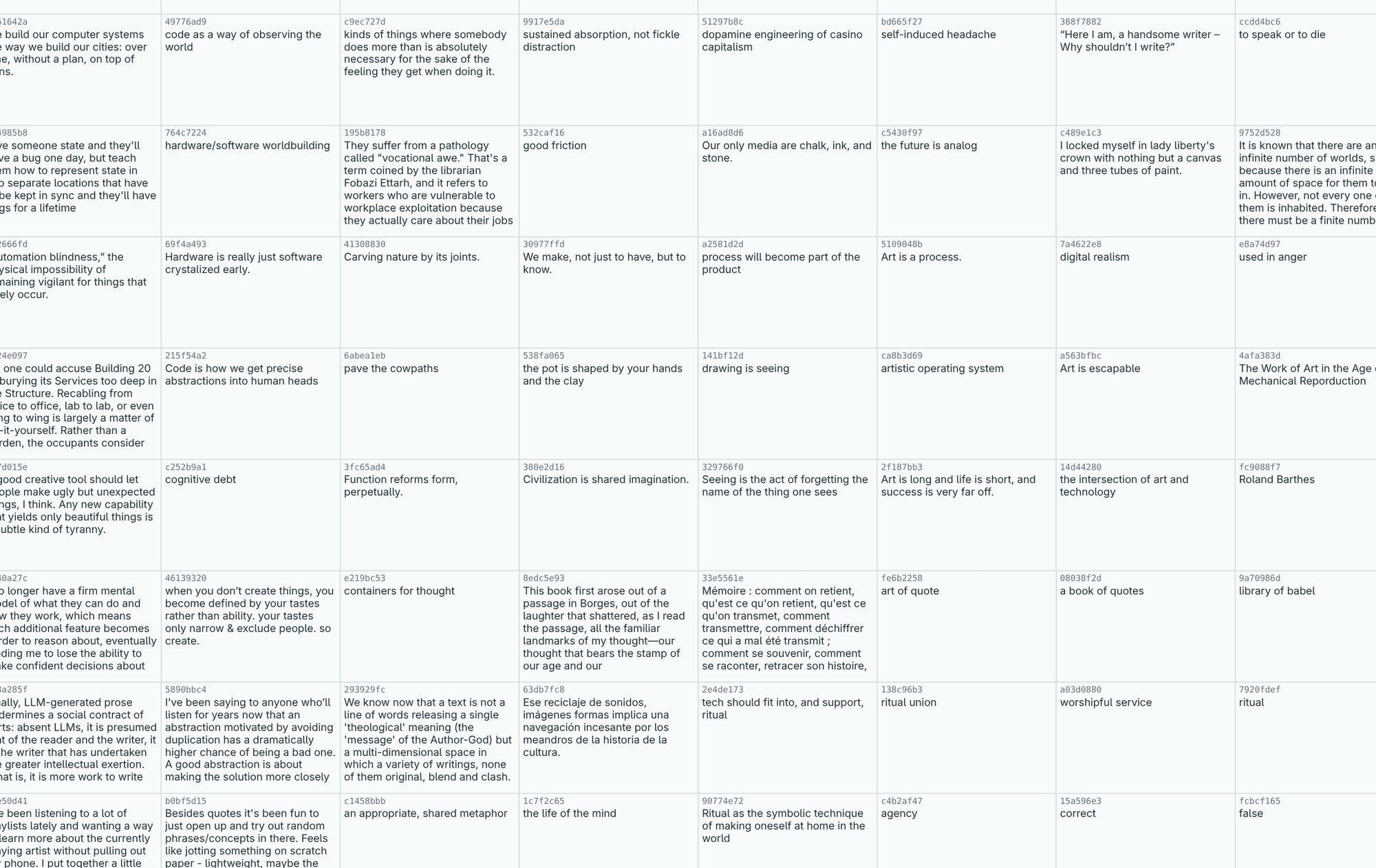
Experimenting with putting the embedded texts from Cosine into UMAP and then fitting to a grid. Not as glanceable as images would be but I think there's probably some interesting moves to make here.
by Durrell Bishop via Matt Webb's Filtered for that which motivates form. Described as the seed for the tangible user interface movement. I'd love to make some stuff like this.
Wikimedia concepts embedded and then mapped to a sphere with UMAP. Trying out topic clusters as continents. Not sure where it's all going.
 by N.K. Jemisin
I'm trying to spread out the series I read so it is a testament to how good The Fifth Season is that I jumped into this immediately.
The dedication is "For those who have no choice but to prepare their children for the battlefield" and you feel that all the way through the book. The relationship between Essun and Nassun is so well developed on both sides. Clear-eyed in the pain caused eac hother but also the reasons for it. It always feels like it is reporting, rather than pleading any one character's case.
 More sphere work